
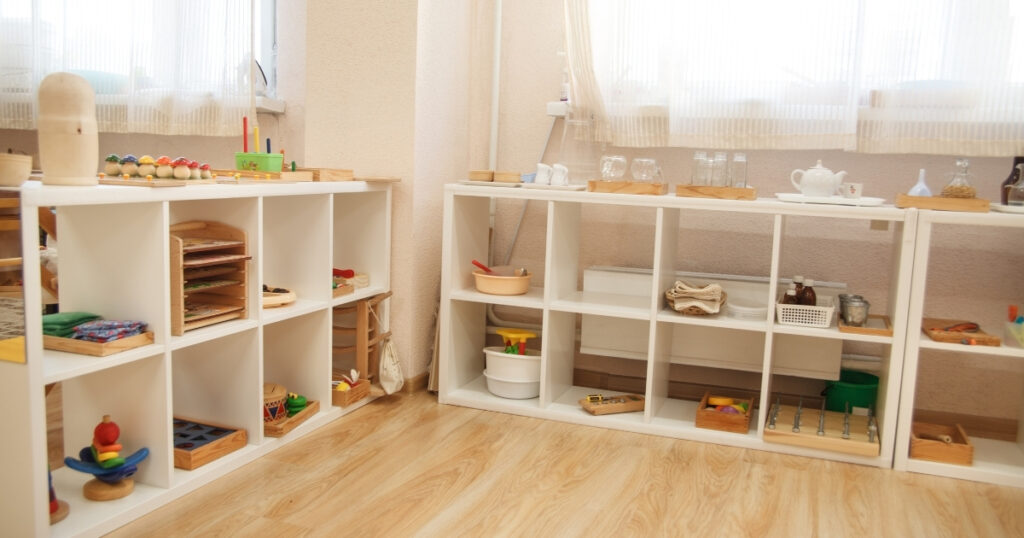
Creating a calm, organized playroom doesn’t have to mean having a perfectly tidy space or spending a fortune on storage solutions. Sometimes, a few simple changes can make a big difference in how children play, explore, and enjoy their surroundings.
A thoughtfully organized playroom can make toys easier to find, encourage independent play, and help make cleanup feel less overwhelming. Whether you have a dedicated playroom or just a small corner of your living room, these five simple ideas can help you create a space that feels welcoming, functional, and a little more peaceful for the whole family.
1. Give Every Toy a Home
One of the easiest ways to create a more organized playroom is to give every toy a designated place. When children know where their favorite toys belong, it’s easier for them to find what they want and participate in cleanup.
Try using open baskets, low shelves, or simple storage bins to organize toys by category. Keep building blocks together, give puzzles their own space, and create a special spot for art supplies.
For younger children, picture labels can make organizing even easier. A small photo or illustration on each bin helps children recognize where things belong, even before they can read.
Simple idea: Start with just three or four toy categories. You can always add more as you discover what works best for your family.
2. Keep Favorite Toys Within Easy Reach
A playroom feels more inviting when children can easily reach the toys and activities they enjoy most. Instead of storing everything in tall cabinets or hard-to-open containers, try arranging frequently used toys on low shelves or in lightweight baskets.
Keeping toys at a child’s eye level makes it easier for them to choose activities independently. It can also encourage them to put things away when they’re finished.
Consider creating a few simple activity areas, such as a cozy reading corner, a building space, or a small table for puzzles and creative projects. You don’t need a large room to make these little spaces feel special.
Simple idea: Place a few favorite toys on an accessible shelf and store less frequently used items elsewhere. This helps keep the playroom from feeling overcrowded while still offering plenty of opportunities for play.
3. Rotate Toys to Keep Playtime Fresh
When too many toys are available at once, a playroom can quickly start to feel cluttered. Toy rotation is a simple way to keep the space organized while giving children opportunities to rediscover activities they already own.
Start by choosing a small selection of toys to keep out and placing the rest in a closet, cabinet, or storage bin. Every week or two, swap a few items to introduce something different without buying anything new.
You can also rotate toys based on your child’s current interests. If they’re enjoying building activities, keep their favorite blocks and construction toys available. If they’re interested in animals or nature, bring out puzzles, books, and imaginative play sets that encourage exploration.
Simple idea: You don’t need a strict toy rotation schedule. Simply switch a few toys whenever the playroom starts to feel crowded or your child seems ready for something different.
4. Create a Cozy Space for Quiet Activities
Not every part of a playroom needs to be filled with toys and activities. Creating a small, cozy corner for quieter moments can give children a comfortable place to read, work on puzzles, or enjoy a little independent play.
You don’t need much space to make a quiet corner feel inviting. A soft rug, a few comfortable cushions, and a small basket of favorite books can transform an unused corner into a welcoming retreat.
Consider keeping a few calming activities nearby, such as picture books, simple puzzles, coloring supplies, or quiet sensory toys. Soft lighting and natural textures can also help create a warm, peaceful atmosphere.
Simple idea: Let your child help choose a favorite blanket, cushion, or stuffed animal for their quiet corner. Adding a personal touch can make the space feel even more special.
5. Make Cleanup Part of the Daily Routine
A calm, organized playroom doesn’t have to stay perfectly tidy throughout the day. After all, play is meant to be creative, imaginative, and sometimes a little messy!
Instead of worrying about keeping everything in its place all the time, try building a simple cleanup routine into your family’s day. Spending just five or ten minutes putting toys away can help keep clutter from becoming overwhelming.
For younger children, cleanup can become a playful activity. Try putting on a favorite song, using a visual cleanup checklist, or turning toy sorting into a matching game. Older children may enjoy having responsibility for organizing their own favorite activities.
Consistency is more important than perfection. A gentle routine that fits your family’s schedule can make cleanup feel like a natural part of playtime rather than another chore.
Simple idea: Choose one predictable time each day, such as before dinner or bedtime, for a quick family cleanup. Keep it relaxed, and celebrate everyone’s efforts.
A Calmer Playroom, One Small Step at a Time
Creating a calm, organized playroom isn’t about having the perfect space or keeping every toy neatly tucked away. It’s about making small, thoughtful changes that help your family enjoy more meaningful moments together.
Whether you start by organizing a few baskets, rotating toys, or creating a cozy reading corner, each little change can make your child’s play space feel more welcoming and manageable.
Remember, what works for one family may look different for another. Give yourself the freedom to experiment, adjust, and find simple routines that fit your home and your child’s needs.
A little less clutter, a little more creativity, and plenty of room for play—that’s what a happy playroom is all about!