Simple ways to make the transition from school to home feel a little easier for the whole family.
The school day may be over, but for many families, the busiest part of the day is just beginning.
There are backpacks to unpack, homework to finish, dinner to prepare, and bedtime routines waiting around the corner. For children with ADHD, the transition from a structured school day to the demands of home can feel especially overwhelming.
After spending hours listening, following directions, navigating friendships, and managing distractions, some children arrive home needing time to decompress before they’re ready for another task.
And that’s okay.
Creating an ADHD-friendly after-school routine doesn’t have to mean following a rigid schedule or filling every minute with activities. Sometimes, a few thoughtful changes can make afternoons feel more predictable, manageable, and connected.
Here are five simple ideas to help your family find a calmer rhythm after school.
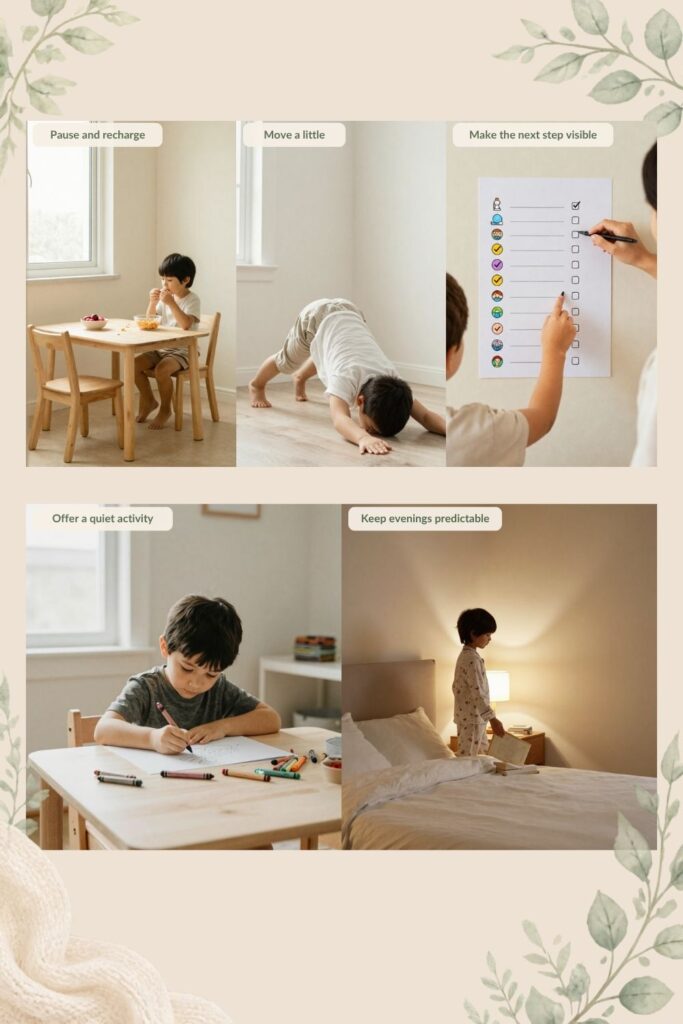
1. Start With a Snack and a Little Breathing Room
Before jumping into homework, chores, or questions about the school day, give your child a chance to settle in.
A familiar snack and a few minutes without demands can create a gentle transition between school and home.
Some children enjoy talking about their day right away. Others may prefer quiet time, listening to music, or simply sitting at the kitchen table without having to answer questions.
Try creating a small after-school landing spot with a snack, a drink, and a comfortable place to relax.
A simple idea to try: Instead of asking several questions as soon as your child walks through the door, offer a snack and say, “I’m glad you’re home. We can talk about your day whenever you’re ready.”
The goal isn’t to avoid responsibilities. It’s to give your child a little space before moving on to the next part of the day.
2. Make Time for Movement and Sensory Breaks
After spending much of the day sitting, concentrating, and following classroom expectations, some children benefit from an opportunity to move.
Movement doesn’t need to be complicated or highly organized.
A few minutes of stretching, dancing, jumping, walking outside, or playing in the backyard may help children transition into their afternoon activities.
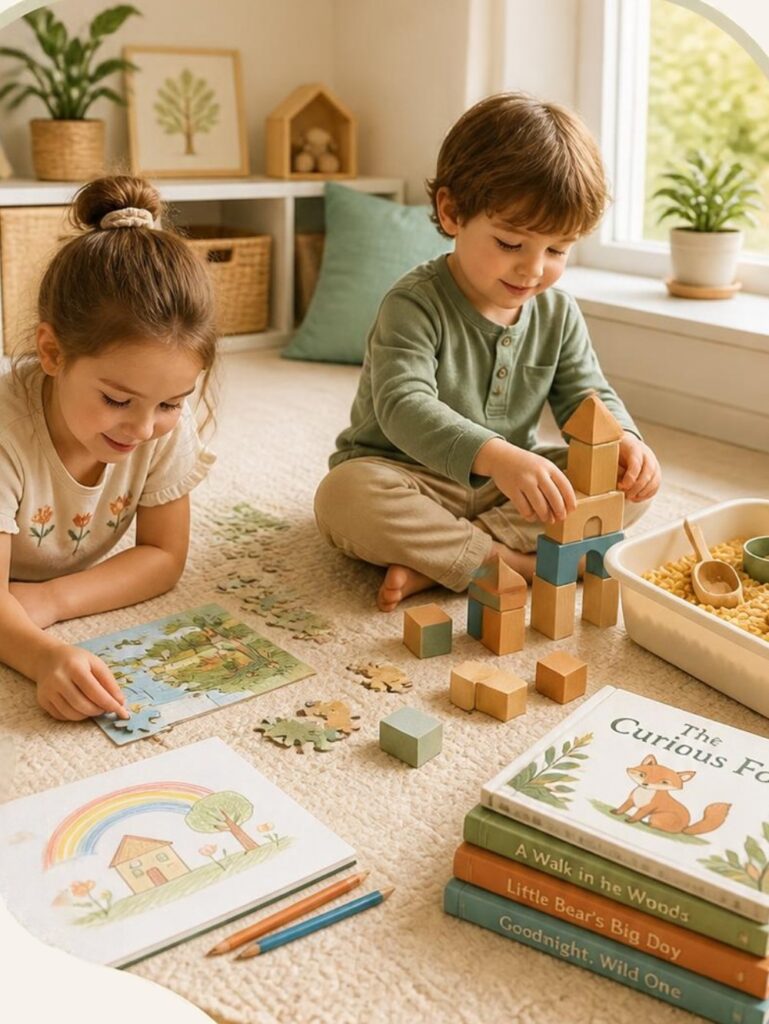
Other children might prefer quieter sensory activities, such as working with a tactile toy, building with blocks, or drawing.
The important thing is to notice what your child responds to.
A simple idea to try: Offer two choices: “Would you like to play outside for a little while or have some quiet time with your favorite activity?”
Providing choices can give children a sense of control while keeping the afternoon manageable.
And remember, sensory preferences are individual. What feels calming to one child may feel distracting to another.
3. Use a Visual Routine Instead of Constant Reminders
For children who struggle with transitions, remembering multiple instructions, or getting started on tasks, a visual routine can be a helpful tool.
Instead of repeatedly reminding your child what comes next, create a simple checklist they can see and follow.
An after-school checklist might include:
- Put backpack and shoes away
- Have a snack
- Take a movement or quiet break
- Complete a short homework session
- Enjoy free time
- Begin the evening routine
You can use pictures for younger children or a written checklist for older kids.
Keep the routine short and realistic. Too many steps can make the checklist feel like another overwhelming assignment.
A simple idea to try: Place the checklist somewhere your child naturally looks, such as near the backpack area or homework space. Let them check off each step as they finish.
A visual timer can also make transitions easier to understand by showing how much time remains before changing activities.
The goal is to make expectations more visible, not to rush your child through every task.
4. Break Homework Into Smaller, More Manageable Steps
For some children with ADHD, getting started on homework can feel harder than completing the work itself.
A large assignment or a long list of tasks may seem overwhelming, especially after an already demanding school day.
Instead of approaching homework as one big job, try breaking it into smaller pieces.
For example, rather than saying, “It’s time to finish all your homework,” you might say, “Let’s start with the first three problems.”
Once those are complete, pause to check in.
Some children benefit from short work periods with movement breaks between them. Others prefer finishing one subject before taking a break.
You can experiment together to find a rhythm that works.
A simple idea to try: Set a visual timer for a short, manageable work session and agree on a break afterward. Adjust the time based on your child’s age, needs, and schoolwork.
Creating a consistent homework spot with necessary supplies nearby can also reduce interruptions.
And if homework regularly leads to significant frustration or takes much longer than expected, consider discussing accommodations or workload expectations with your child’s teacher.
5. Create a Gentle Transition Into the Evening
A calmer afternoon can set the stage for a more predictable evening.
As dinner and bedtime approach, try keeping a few parts of the routine consistent.
This might mean putting backpacks in the same place, preparing clothes for the next day, enjoying a quiet family activity, or reading together before bed.
You don’t need an elaborate nighttime routine. A few familiar steps can help children know what to expect.
Consider creating an evening checklist with simple tasks such as:
- Pack tomorrow’s backpack
- Choose clothes for the morning
- Brush teeth and get ready for bed
- Read or enjoy a quiet activity
- Settle in for sleep
A simple idea to try: Build in a few minutes of connection before bedtime. Reading, talking, or sharing a favorite moment from the day can be a meaningful way to end the evening.
Predictability can be helpful, but flexibility matters too. Some days will go smoothly, and others won’t.
That’s part of family life.
A Few Helpful Tools for ADHD-Friendly Afternoons
You don’t need to purchase special products to create a supportive routine. Many helpful strategies begin with simple changes to the way your family organizes the afternoon.
However, a few everyday tools may be worth considering:
Visual timers: Help make the passage of time easier to see during homework, play, and transitions.
Visual checklists: Provide a clear reminder of what comes next without relying entirely on verbal instructions.
Quiet sensory fidgets: Offer a tactile activity for children who enjoy keeping their hands busy during appropriate moments.
Creative supplies: Coloring materials, journals, puzzles, and building activities can provide screen-free choices for downtime.
Choose tools based on your child’s interests and preferences rather than assuming every ADHD-friendly product will work for every child.
Remember: A Routine Should Support Your Child, Not Overwhelm Them
One of the most helpful things to remember about ADHD-friendly routines is that they don’t need to look perfect.
Some children need movement as soon as they get home. Others need quiet. Some do best with homework before dinner, while others need a longer break first.
There isn’t one after-school schedule that works for every child or every family.
Start with one small change. Give it time. Notice what helps and what doesn’t.
Then adjust as needed.
The goal isn’t a perfectly organized afternoon.
It’s creating a home environment where your child has room to recharge, understands what comes next, and feels supported along the way.
Little changes can make space for calmer moments, stronger connections, and evenings that feel a little less rushed.
Pinning for Moms — Simple ideas for calmer routines, screen-free fun, and intentional family living.
This article offers general parenting ideas and is not a substitute for individualized medical, educational, or therapeutic guidance.